
Taj Mahal, Agra
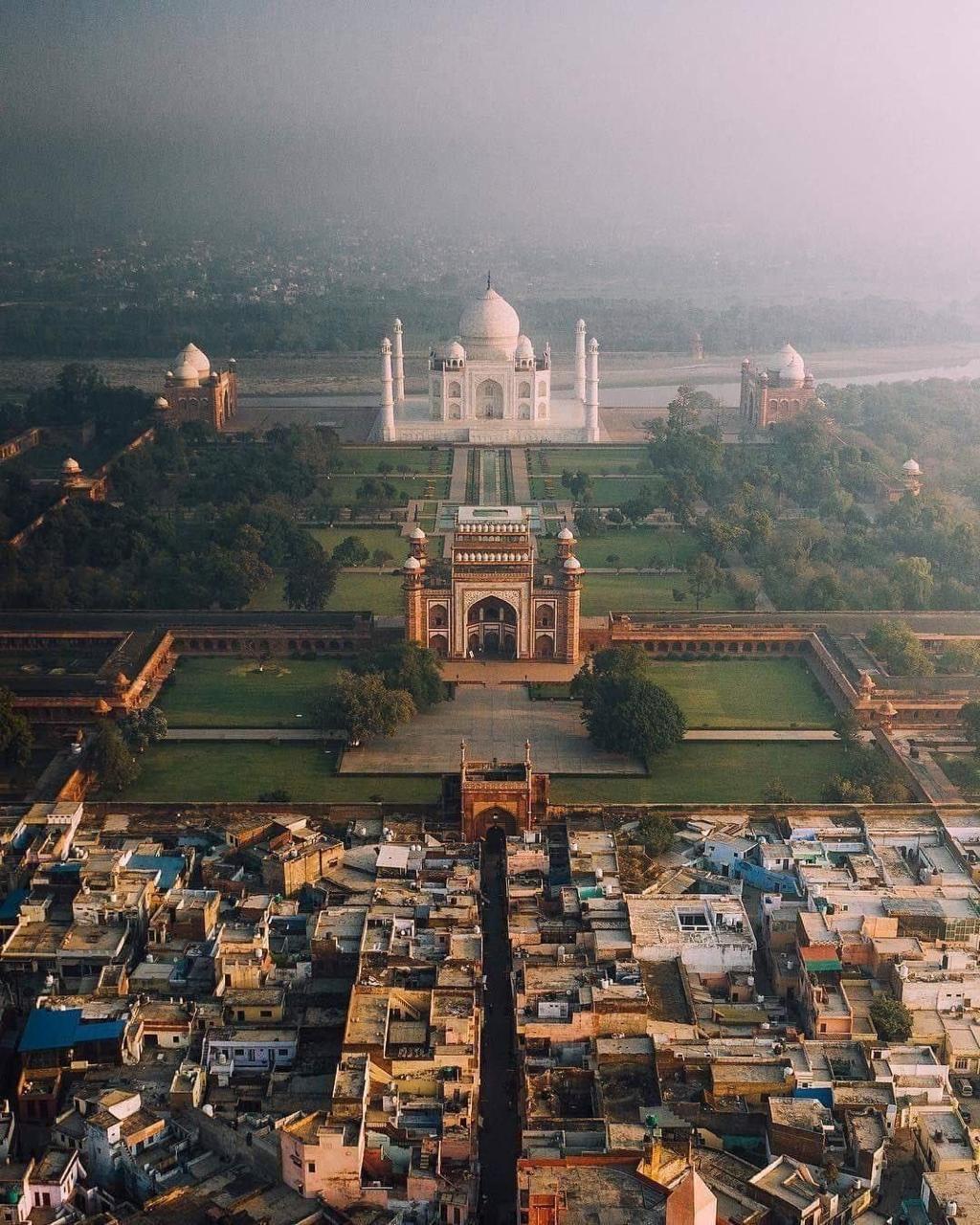
The Taj Mahal, located in Agra, Uttar Pradesh, is one of the most beautiful monuments in the world and a UNESCO World Heritage Site. It was built by the Mughal Emperor Shah Jahan in the 17th century as a symbol of love and devotion to his wife Mumtaz Mahal, who died during childbirth. Construction began in 1632 and took about 22 years to complete, with thousands of artisans and craftsmen working on it. The Taj Mahal is made of white marble and is famous for its stunning Mughal architecture, which combines Persian, Indian, and Islamic styles. The main structure has a large dome, four tall minarets, beautiful gardens, and reflecting pools that add to its charm. The intricate carvings, inlaid precious stones, and symmetrical design make it a masterpiece of art and engineering.
Red fort & Qutub minar
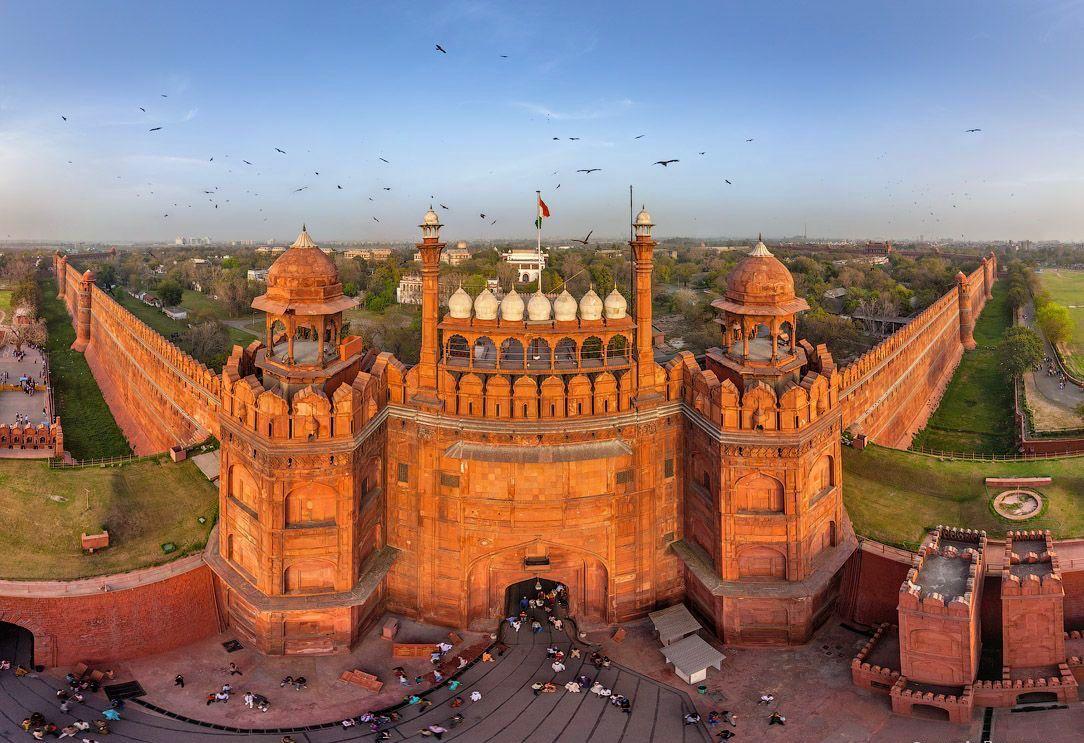
Red Fort and Qutub Minar are two of the most famous historical monuments in Delhi, both representing India’s rich Mughal and Sultanate heritage. The Red Fort (Lal Qila) was built by the Mughal emperor Shah Jahan in 1648 when he shifted his capital from Agra to Delhi. Made of striking red sandstone, the fort served as the main residence of the Mughal emperors for nearly 200 years. It has magnificent structures like the Diwan-i-Aam (Hall of Public Audience), Diwan-i-Khas (Hall of Private Audience), and beautiful gardens. The Red Fort is also a symbol of India’s freedom struggle, as India’s Prime Minister hoists the national flag here every Independence Day, followed by a speech to the nation. It is a UNESCO World Heritage Site and a major tourist attraction.
Khajuraho Temples
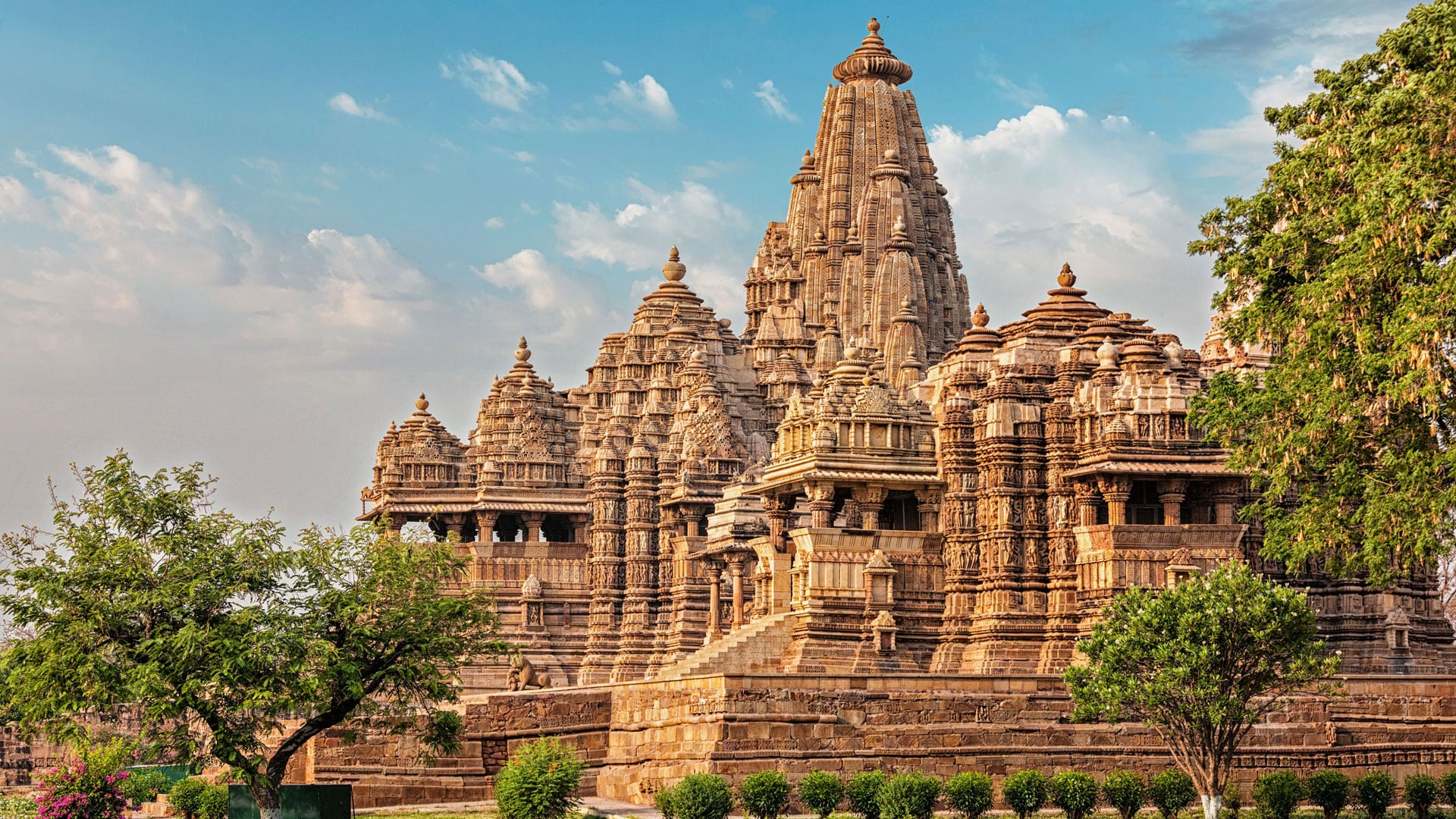
The Khajuraho Temples, located in Madhya Pradesh, are world-famous for their stunning architecture and intricate carvings. Built between 950 and 1050 AD by the Chandela dynasty, these temples are a UNESCO World Heritage Site and represent one of the f inest examples of medieval Indian art and culture. Originally, there were about 85 temples, but today only around 20 remain well-preserved. The temples are known for their exquisite sculptures, which depict various aspects of life, including gods, goddesses, musicians, dancers, warriors, and scenes of love. Some carvings also show erotic art, symbolizing the ancient belief that spiritual growth and worldly desires are both important parts of life. The temples are divided into three main groups: Western, Eastern, and Southern, with the Kandariya Mahadeva Temple being the largest and most magnificent.
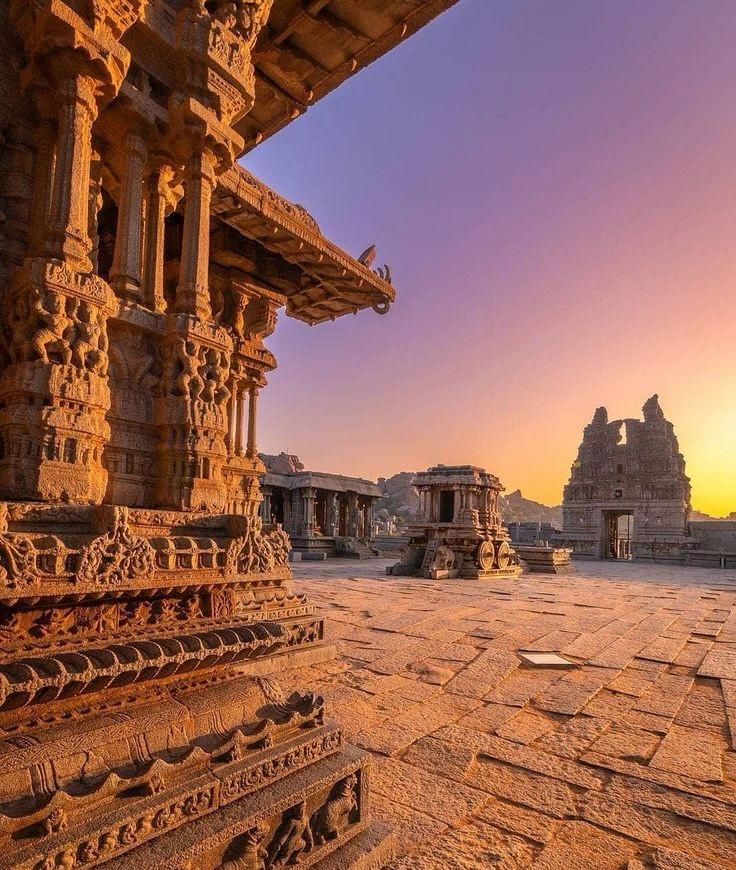
Hampi, Karnataka
Hampi, located in Karnataka, is a UNESCO World Heritage Site and one of the most important historical and archaeological sites in India. It was once the capital of the Vijayanagara Empire, one of the richest and most powerful kingdoms in South India during the 14th to 16th centuries. Hampi was a thriving center of trade, culture, art, and architecture, attracting traders from Persia, Portugal, and many other countries. Today, Hampi is known for its magnificent ruins spread across a rocky landscape filled with giant boulders and the serene Tungabhadra River flowing nearby. The site has over 1,600 monuments, including temples, palaces, step-wells, and marketplaces. The most famous structure is the Virupaksha Temple, dedicated to Lord Shiva, which is still an active place of worship. Other highlights include the Vijaya Vittala Temple with its iconic stone chariot and musical pillars, the Lotus Mahal, Hazara Rama Temple, and the Royal Enclosure, where the king’s court once stood.
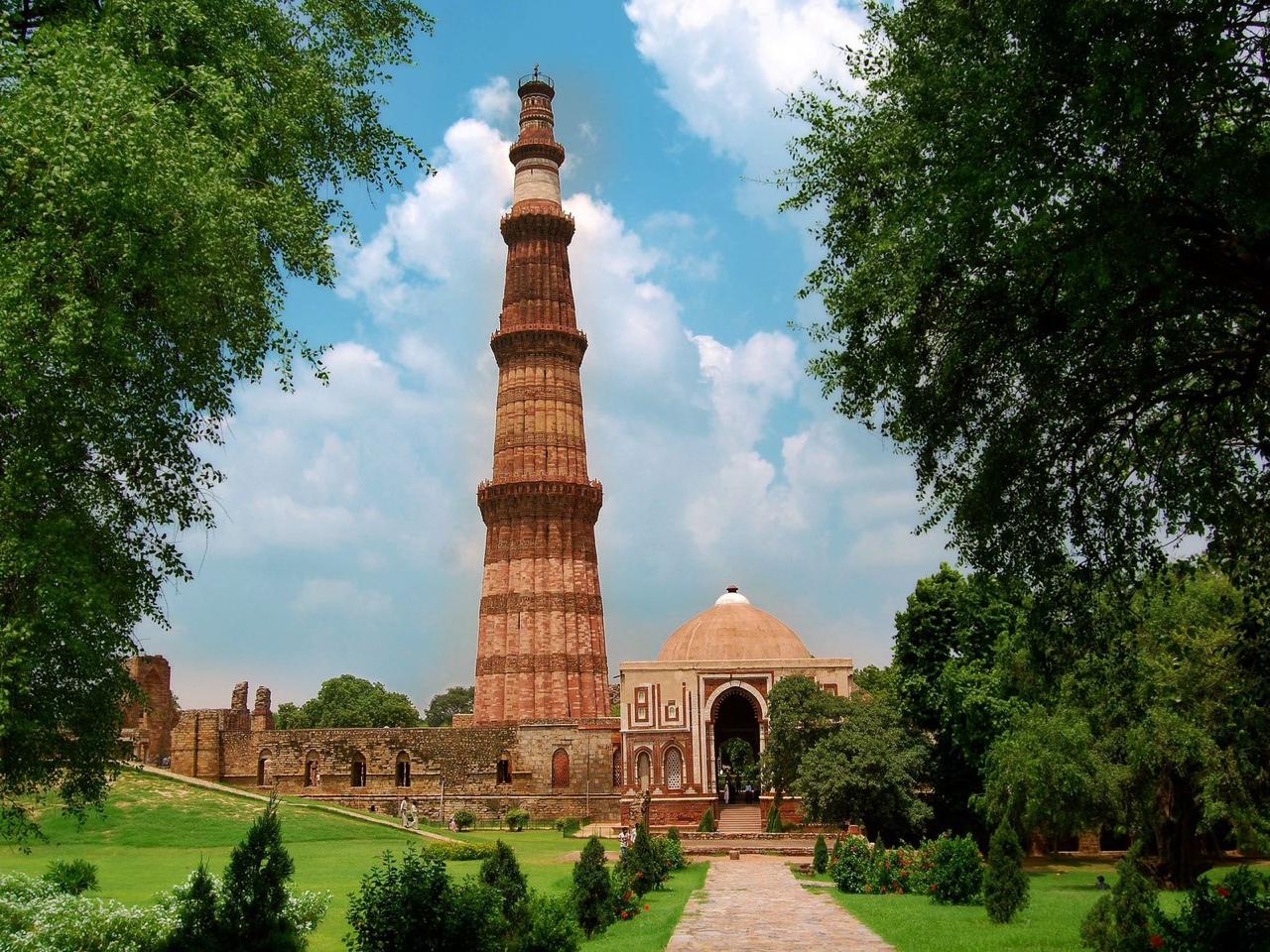
Qutab minar
The magnificent Qutub Minar is one of the most celebrated historical landmarks in India and a proud UNESCO World Heritage Site situated in the heart of Delhi. Built in 1193 by Qutb-ud-din Aibak after the establishment of the Delhi Sultanate, the tower was later completed by Iltutmish and further restored by Firoz Shah Tughlaq. Standing at an impressive height of nearly 73 meters, it is considered the tallest brick minaret in the world and remains a remarkable symbol of medieval Indian architecture and history. Constructed mainly with red sandstone and marble, Qutub Minar is admired for its intricate carvings, Quranic inscriptions, beautiful balconies, and unique Indo-Islamic design. The monument consists of five distinct storeys, each showcasing extraordinary craftsmanship from different periods of history. Surrounded by ancient ruins, lush gardens, and historical structures like the Quwwat-ul-Islam Mosque and the famous Iron Pillar, the site offers visitors an unforgettable cultural and architectural experience. Today, Qutub Minar attracts tourists from all over the world who come to witness its grandeur, learn about India’s rich heritage, and capture stunning photographs of this timeless masterpiece. Whether explored during the day or admired under the evening lights, Qutub Minar remains one of Delhi’s must-visit attractions and a true jewel of Indian tourism.
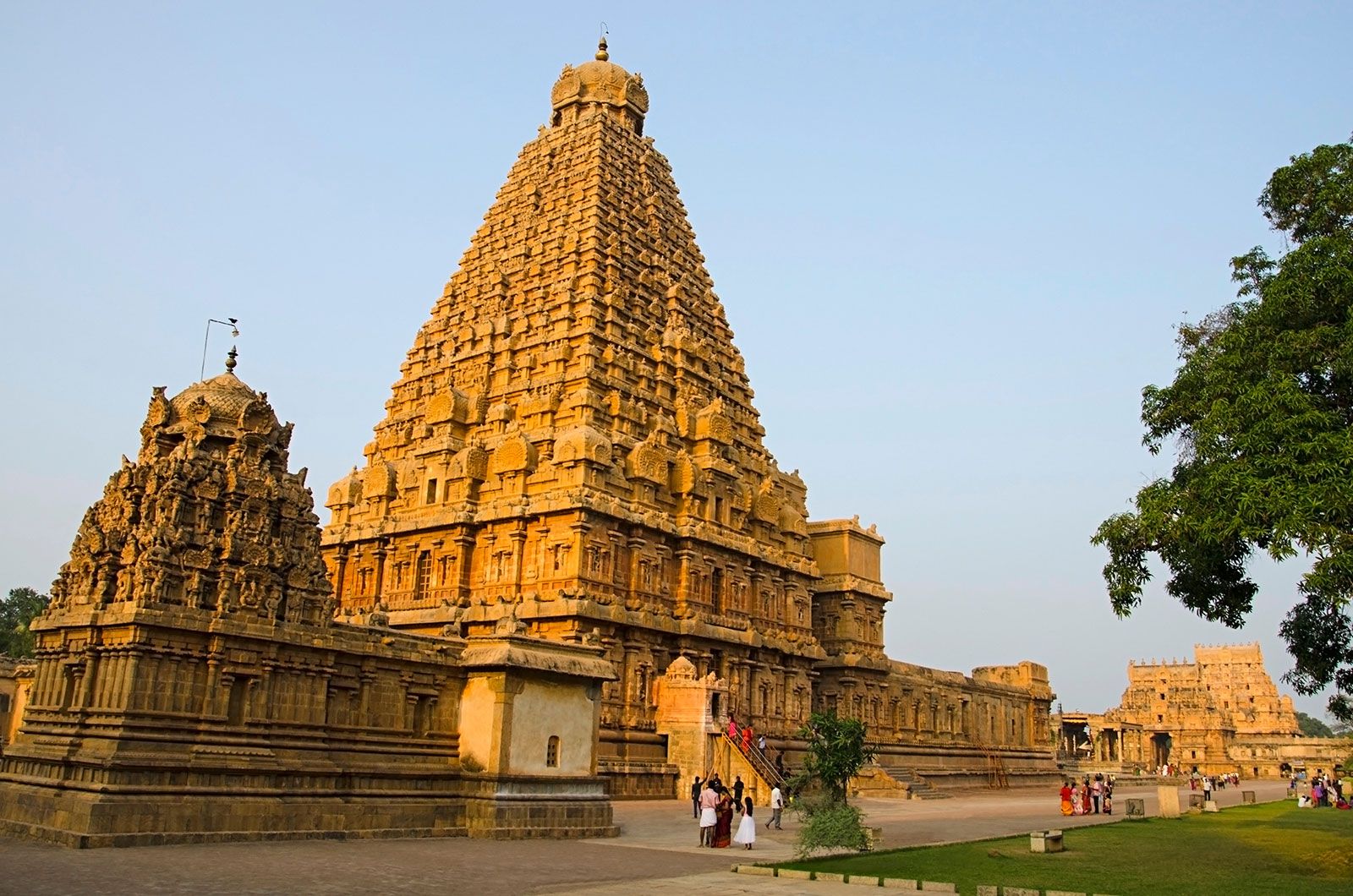
Bhradiswara temple
The majestic Brihadeeswarar Temple, also known as the Big Temple, is one of the greatest architectural wonders of India and a UNESCO World Heritage Site located in Thanjavur, Tamil Nadu. Built over 1,000 years ago by the great Chola king Raja Raja Chola I in the 11th century, this magnificent temple stands as a proud symbol of Tamil culture, devotion, and engineering brilliance. Dedicated to Lord Shiva, the temple showcases the glorious legacy of the Chola dynasty and remains one of the most important temples in South India. Constructed entirely from granite, Brihadeeswarar Temple is famous for its towering vimana (temple tower), which rises to nearly 66 meters and is among the tallest temple towers in the world. The temple is admired for its detailed sculptures, ancient fresco paintings, beautifully carved pillars, and massive Nandi statue carved from a single stone. The incredible craftsmanship and precision used in its construction continue to amaze historians, architects, and visitors even today. Surrounded by spacious courtyards and rich historical significance, the temple offers a peaceful and spiritual atmosphere for devotees and travelers alike. Every year, thousands of tourists visit this iconic monument to admire its breathtaking architecture, experience the cultural heritage of Tamil Nadu, and witness the grandeur of one of India’s finest ancient temples. The timeless beauty and historical importance of Brihadeeswarar Temple make it a must-visit destination for anyone exploring India’s rich heritage.
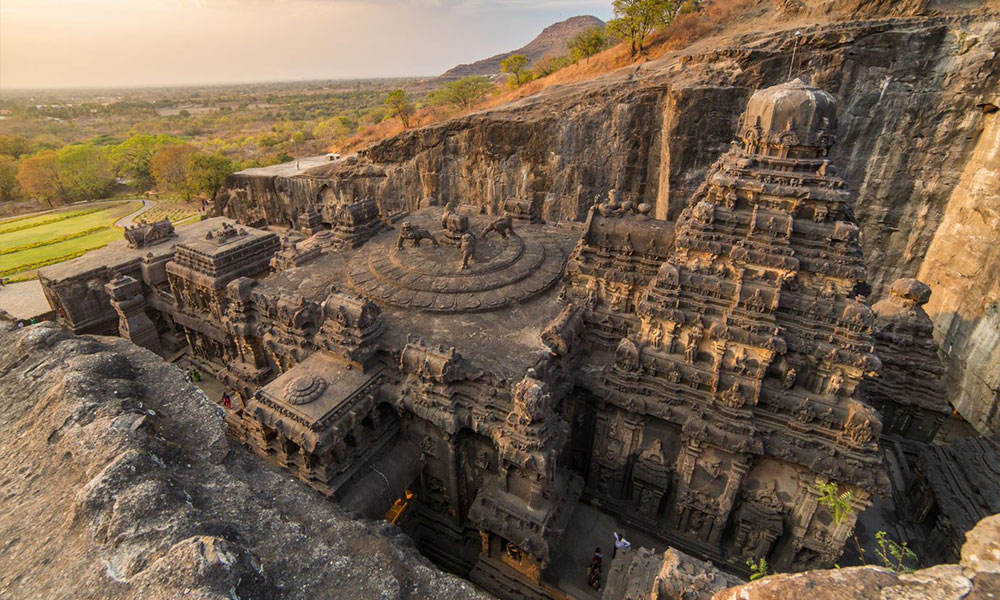
Ellora caves
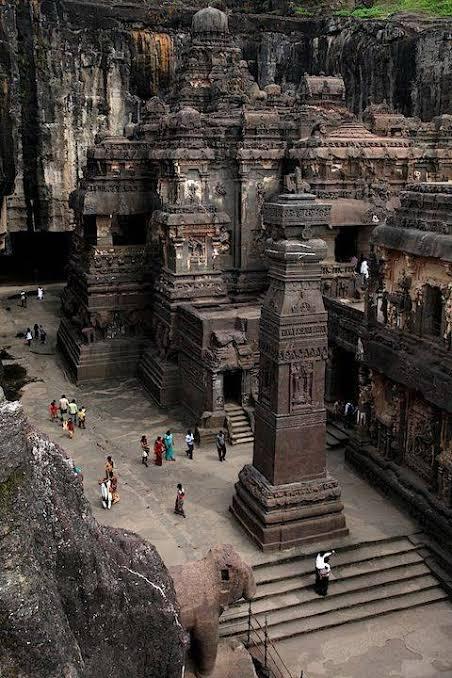
The Ellora Caves, built between the 6th and 10th centuries CE, are unique because they house Hindu, Buddhist, and Jain monuments side by side, symbolizing religious tolerance and unity. There are 34 caves in total, featuring temples and monasteries carved directly into the hillside. The most famous among them is the Kailasa Temple (Cave 16), dedicated to Lord Shiva. It is an architectural wonder, carved from a single block of rock, and is one of the largest monolithic structures in the world.
Ajenta caves
The Ajanta Caves, dating back to 2nd century BCE to 6th century CE, are a series of 30 rock-cut Buddhist caves. They were mainly built as monasteries and prayer halls for monks. These caves are world-renowned for their magnificent murals and fresco paintings, which depict scenes from the life of Gautama Buddha, stories from the Jataka tales, and the everyday life of people in ancient India. The paintings are so detailed and vibrant that they are considered masterpieces of ancient Indian art. Ajanta served as a spiritual and learning center for Buddhist monks for centuries.