
Varanasi, Uttar Pradesh
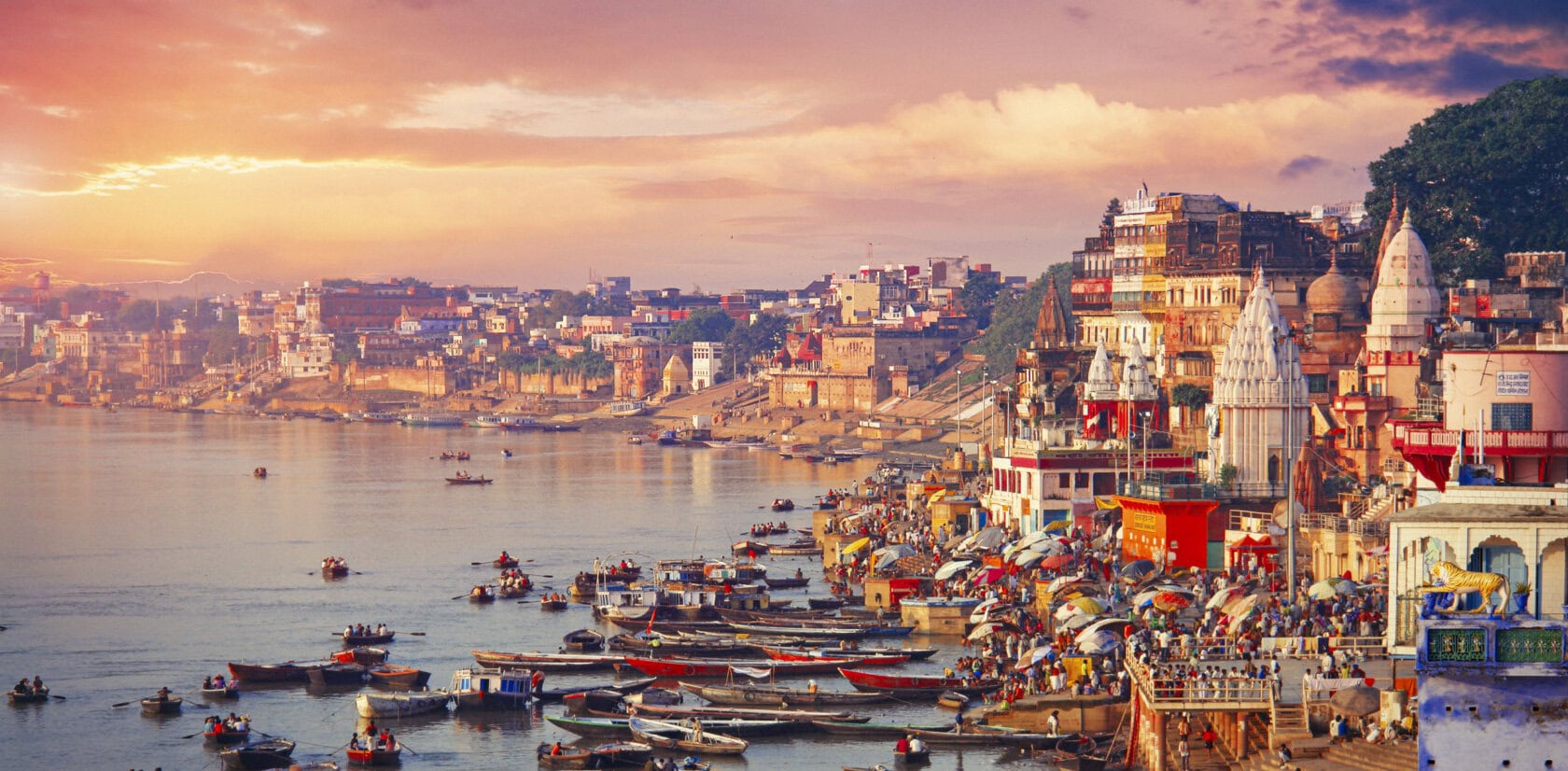
Varanasi, also known as Kashi or Banaras, is one of the oldest continuously inhabited cities in the world and one of the most sacred places in India. Located on the banks of the River Ganga (Ganges) in Uttar Pradesh, it is considered the spiritual heart of India. According to Hindu mythology, the city was founded by Lord Shiva, making it a highly revered pilgrimage site for Hindus. It is believed that taking a holy dip in the Ganga at Varanasi cleanses a person of sins and helps them attain moksha (liberation from the cycle of birth and death). Varanasi is famous for its ghats—steps leading down to the river—where pilgrims perform rituals, prayers, and cremation ceremonies. The Dashashwamedh Ghat is the most popular, known for the spectacular Ganga Aarti, a spiritual ceremony held every evening with lamps, chants, and music. The Kashi Vishwanath Temple, dedicated to Lord Shiva, is one of the twelve Jyotirlingas and a major highlight of the city. Apart from its religious significance, Varanasi is also a center of art, music, learning, and culture. It has produced many great classical musicians, poets, and scholars. The city is famous for Banarasi silk sarees, renowned worldwide for their beauty and craftsmanship.
Golden Temple, Amritsar
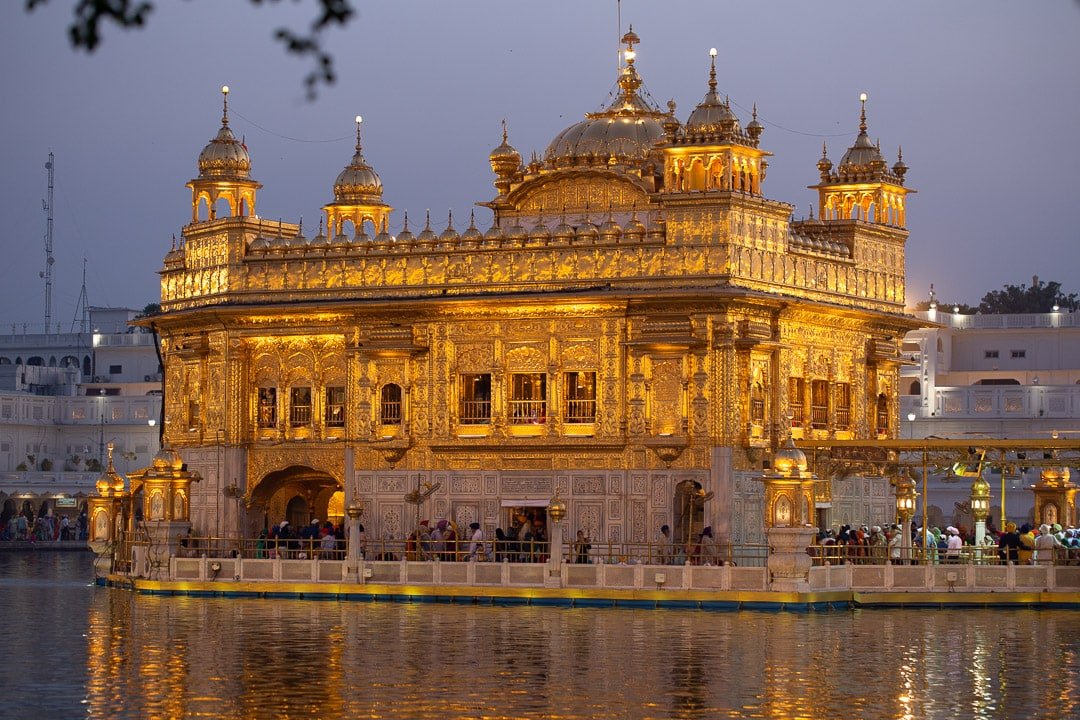
The Golden Temple, also known as Sri Harmandir Sahib, is the holiest shrine of Sikhism, located in Amritsar, Punjab. It was built in 1604 by Guru Arjan Dev Ji, the fifth Sikh Guru, as a place of worship where people of all castes, religions, and backgrounds could come together to pray in harmony. The temple’s name comes from its stunning gold-plated structure, which reflects beautifully in the surrounding sacred pool called the Amrit Sarovar, meaning “Pool of Nectar.” The Golden Temple’s architecture is a blend of Hindu and Islamic styles, symbolizing unity and inclusiveness. The sanctum houses the Guru Granth Sahib, the holy scripture of the Sikhs, which is read continuously throughout the day. The temple complex has four entrances on all sides, showing that it welcomes everyone equally, without discrimination. One of the most remarkable features of the Golden Temple is its Langar (community kitchen), which serves free meals to thousands of people every day, regardless of their religion or social status. This tradition embodies the Sikh principles of selfless service (Seva) and equality.
Meenakshi Temple, Madurai
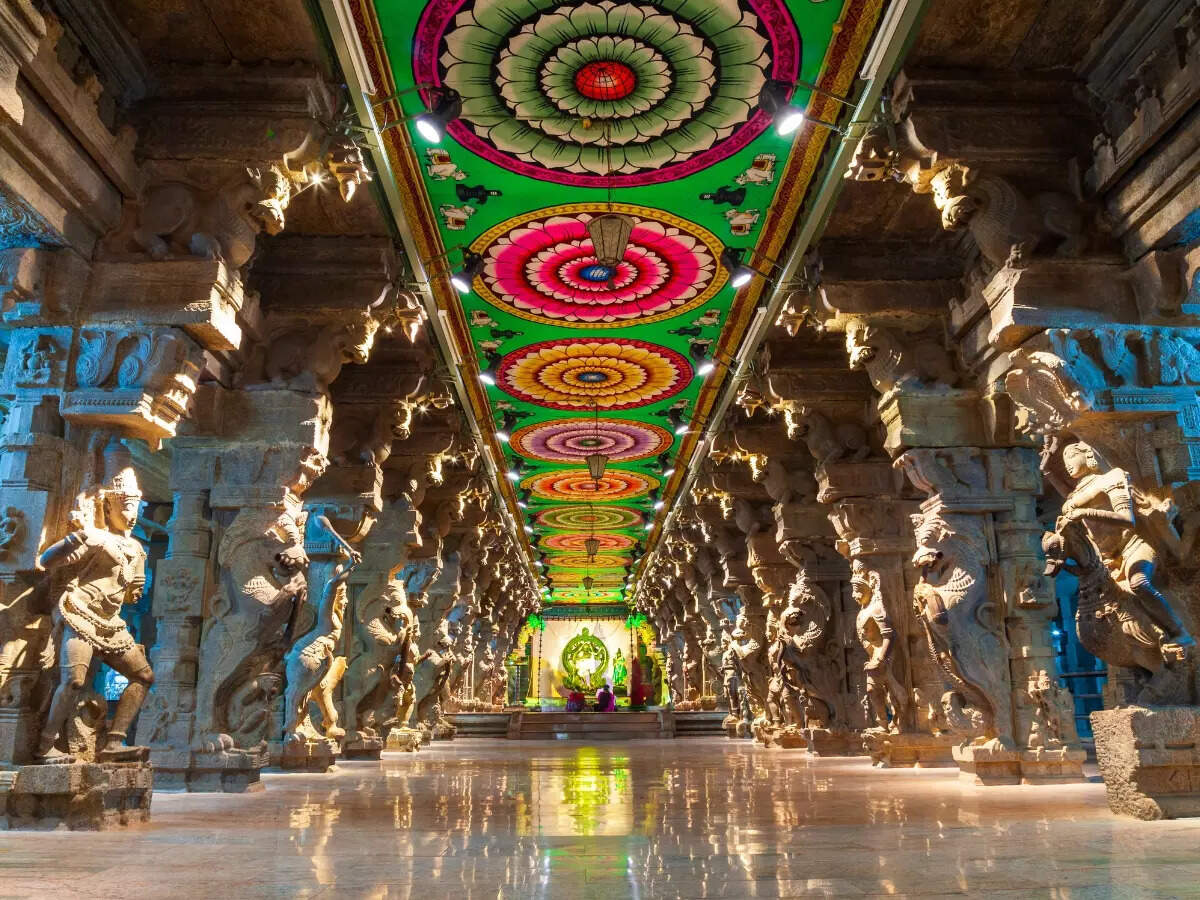
The Meenakshi Temple, also known as Meenakshi Amman Temple, is one of the most famous and ancient temples in India, located in Madurai, Tamil Nadu. It is dedicated to Goddess Meenakshi, a form of Goddess Parvati, and her consort Lord Sundareswarar, a form of Lord Shiva. This temple is not only a spiritual center but also an architectural marvel, attracting millions of pilgrims and tourists every year. The temple is renowned for its stunning Dravidian-style architecture, featuring 14 towering gopurams (gateway towers) that are covered with thousands of colorful sculptures depicting gods, goddesses, demons, animals, and mythological stories. The tallest gopuram stands at about 170 feet, making it a breathtaking sight. Inside the temple, there are numerous halls, shrines, and intricate pillars, with the Hall of Thousand Pillars being a major highlight, where each pillar is uniquely carved. According to legend, Madurai is the city where Lord Shiva married Goddess Meenakshi, and the temple celebrates their divine union. The annual Meenakshi Tirukalyanam festival, held in April or May, re-enacts this celestial wedding with grand rituals, processions, music, and dance, drawing devotees from across the country.
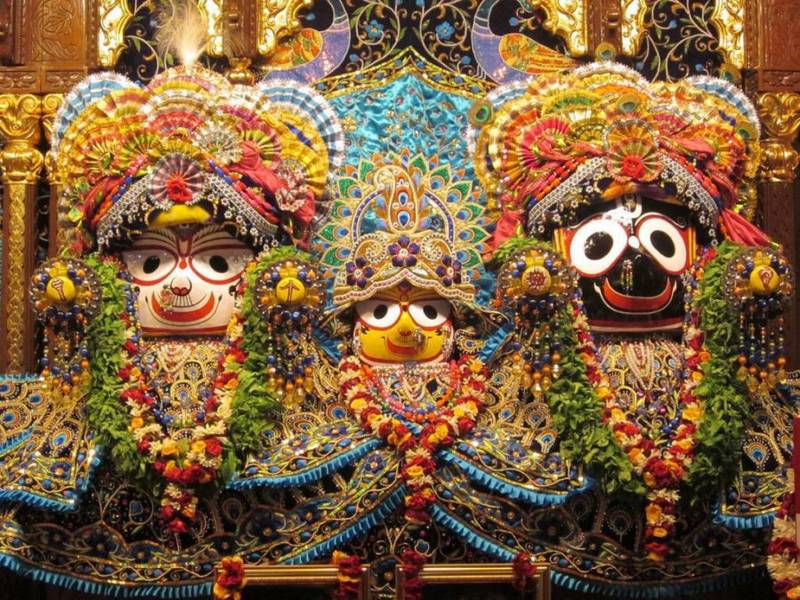
Jagannath Temple puri
The Jagannath Temple, located in Puri, Odisha, is one of the holiest Hindu temples and a key part of the Char Dham Yatra, which every devout Hindu aims to visit in their lifetime. It is dedicated to Lord Jagannath, a form of Lord Vishnu, along with his siblings Lord Balabhadra and Goddess Subhadra. The temple is not only a center of spiritual devotion but also an architectural masterpiece, built in the 12th century by King Anantavarman Chodaganga Deva of the Eastern Ganga dynasty. The temple is famous worldwide for the Rath Yatra (Chariot Festival), held annually in June or July. During this grand event, the three deities are placed on massive, beautifully decorated wooden chariots and pulled by thousands of devotees through the streets of Puri. This symbolizes the deities’ journey to their garden palace, Gundicha Temple, and reflects the belief that God comes out to bless all his devotees, irrespective of caste or status. The main structure of the temple is built in the Kalinga architectural style, with a towering spire (shikhara) that rises to about 65 meters, visible from miles away. The temple complex has four gates, each with intricate carvings and spiritual symbolism. A unique feature of the Jagannath Temple is its Mahaprasad, a sacred food offering cooked in earthen pots using traditional methods and distributed to thousands of devotees every day.
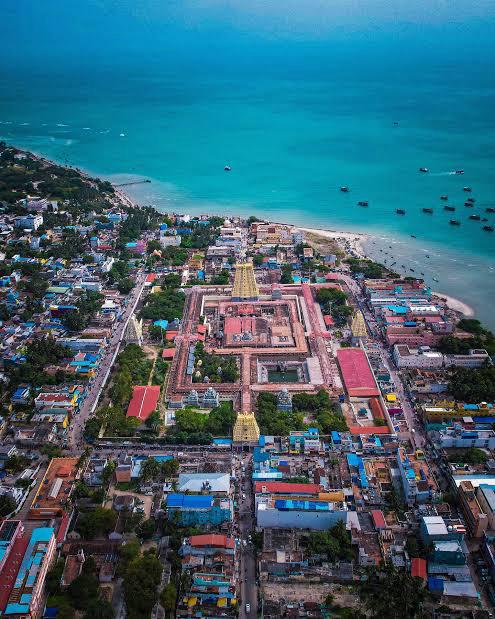
Ramanathaswamy Temple
The sacred Ramanathaswamy Temple is one of the holiest Hindu temples in India and an important part of the Char Dham pilgrimage. Located on the beautiful island town of Rameswaram in Tamil Nadu, this ancient temple is dedicated to Lord Shiva and is deeply connected to the epic Ramayana. According to Hindu belief, Lord Rama worshipped Shiva here after his victory over Ravana in Lanka, making the temple a place of immense spiritual significance. Famous for its breathtaking Dravidian architecture, Ramanathaswamy Temple is especially admired for having one of the longest temple corridors in the world, lined with thousands of beautifully carved pillars. The temple features magnificent towers, detailed sculptures, sacred water tanks known as “Theerthams,” and a peaceful atmosphere that attracts devotees and travelers from across the globe. Its architectural beauty and religious importance make it one of the most treasured temples in South India. Situated close to the sea, the temple also offers visitors a unique cultural and spiritual experience combined with the scenic beauty of Rameswaram Island. Pilgrims often take holy baths in the sacred waters before entering the temple, following centuries-old traditions. Today, Ramanathaswamy Temple continues to stand as a timeless symbol of devotion, faith, history, and architectural excellence, making it a must-visit destination for spiritual seekers and heritage lovers alike.